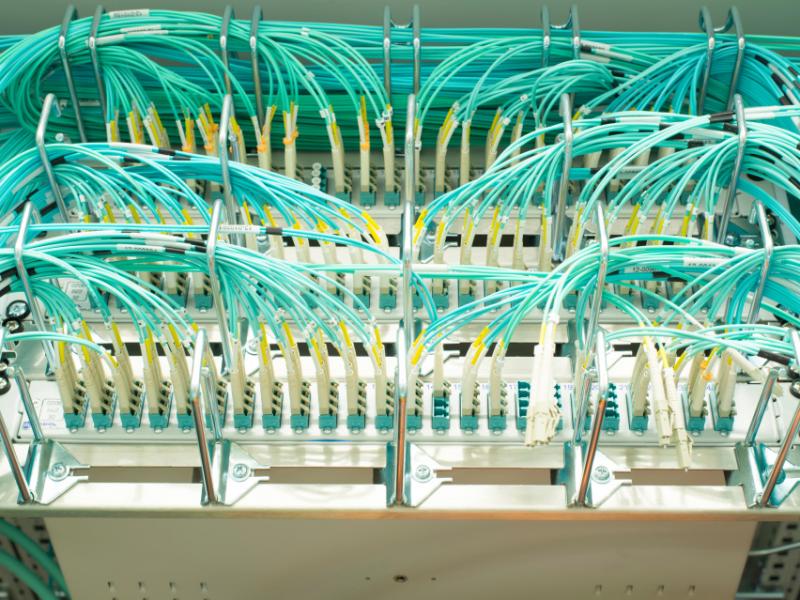
Above the suspended ceilings of office buildings and beneath the raised floors of data centers, thousands of optical fibers run quietly out of sight. But once a fire breaks out, it is seldom the flame itself that proves fatal — it is the dense smoke and toxic gases released by burning cables.
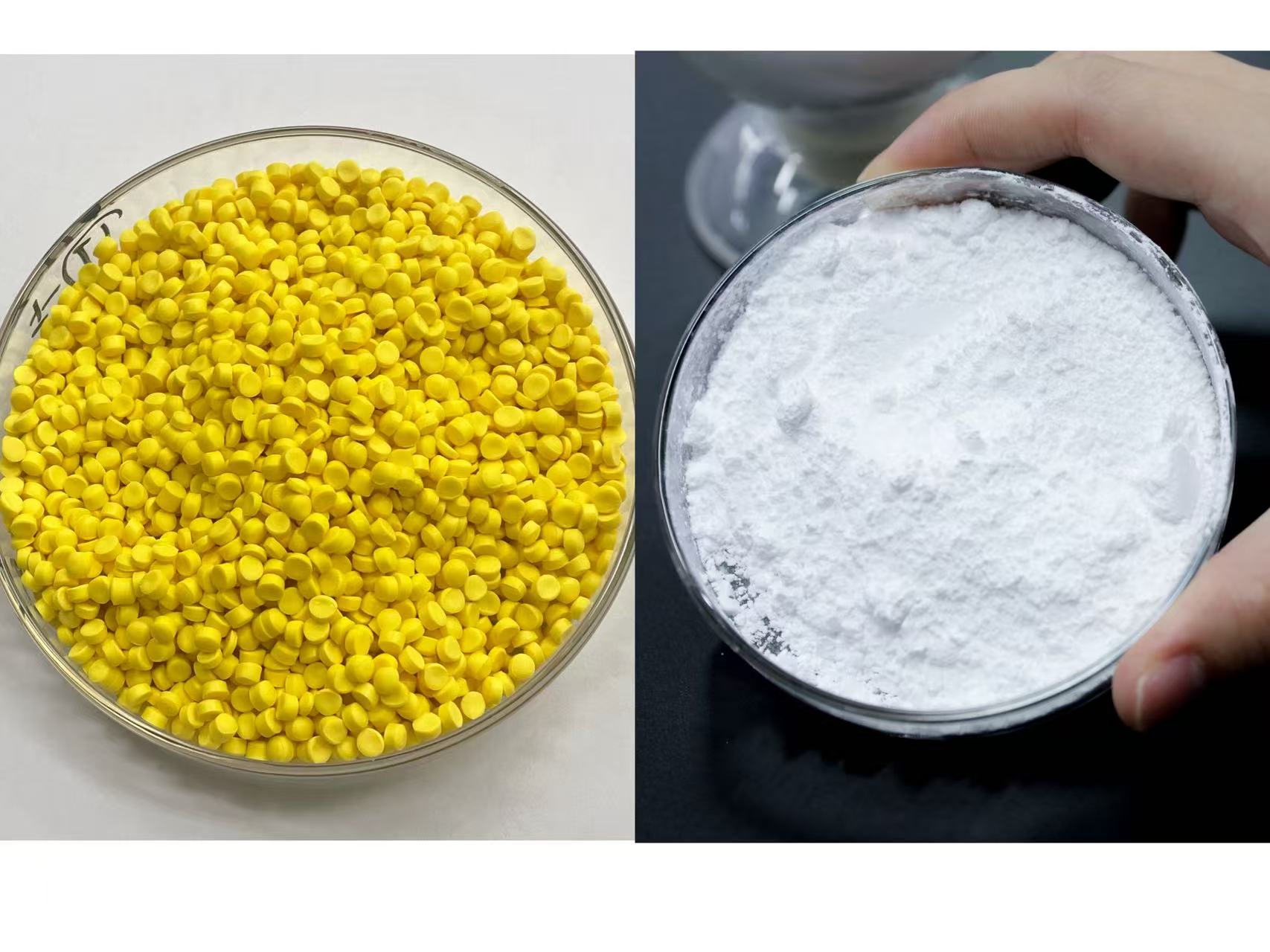
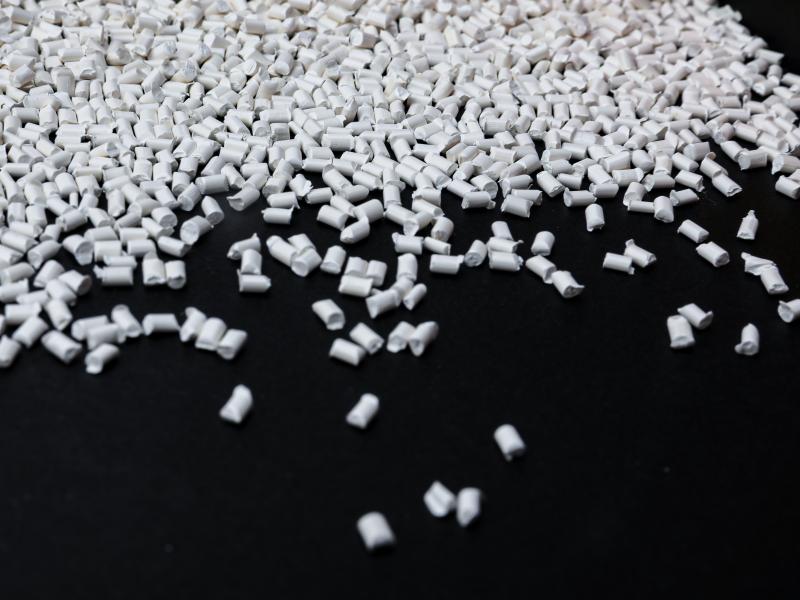
Optical fiber deployed in air-handling (plenum) spaces must meet OFNP (Optical Fiber Nonconductive, Plenum) requirements: flame self-extinguishment (flame spread ≤ 5 ft), extremely low smoke generation (peak optical density ≤ 0.5, average ≤ 0.15), low toxicity, and complete non-conductivity — four mandatory criteria, none of which can be compromised. In the past, customers often had to choose among low-smoke performance, high material properties, favorable formulation cost, and full compliance — it was difficult to achieve all four requirements simultaneously. Complord’s EP-Y series smoke suppressants were developed specifically to resolve this pain point.
After one customer incorporated EP-Y013 smoke suppressant into the optical fiber jacket compound, the measured smoke density data were outstanding: a maximum specific optical density of smoke (Ds, max) of only 44 and a cumulative specific optical density over the first 4 minutes (VOF4) of 70 — well below the limits of HL3, the highest hazard level in EN 45545. The formulation fully meets the smoke density requirements of high-risk enclosed environments such as subways, tunnels, and high-speed rail lines.
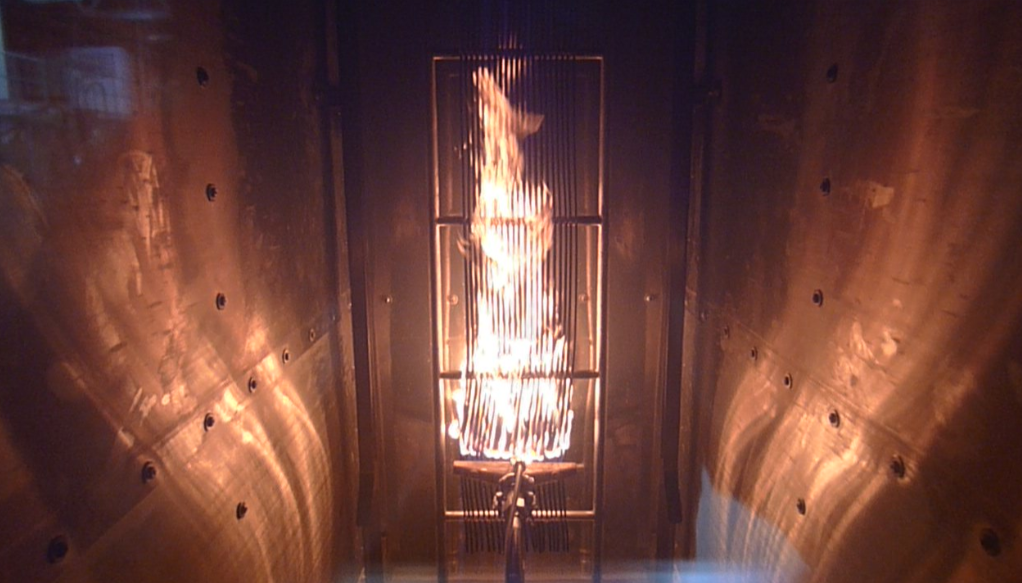
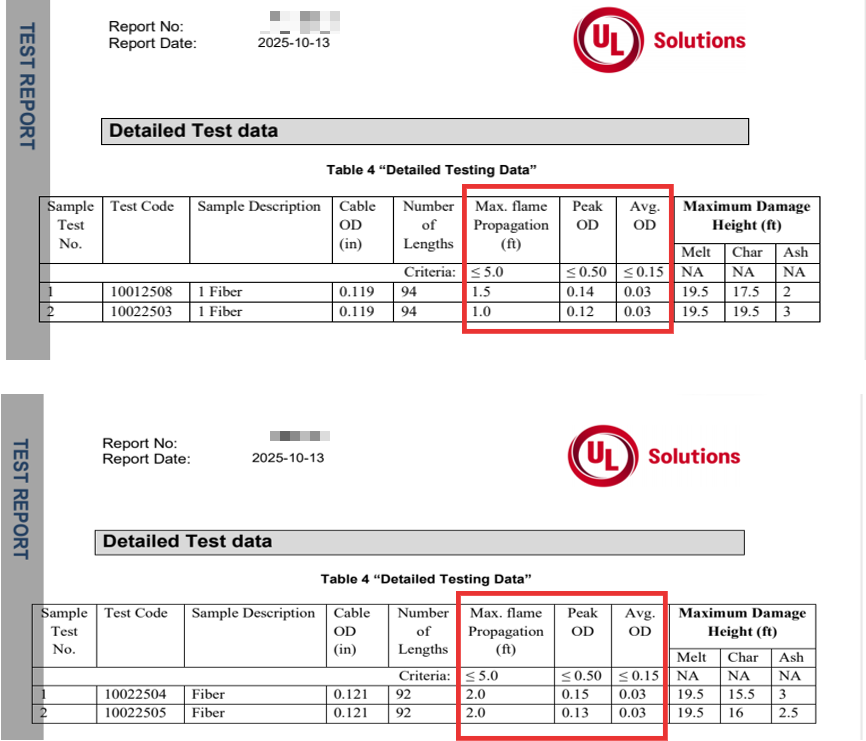
A customer submitted optical fiber samples compounded with the EP-Y series smoke suppressant for third-party certification testing against UL 910. Flame spread was only 1.0–2.0ft, far below the 5 ft limit, and peak optical density (Peak OD) held steady at 0.12–0.15, well under the 0.50 ceiling. The samples passed third-party UL 910 testing, supporting customers in obtaining the OFNP rating for their finished cables.
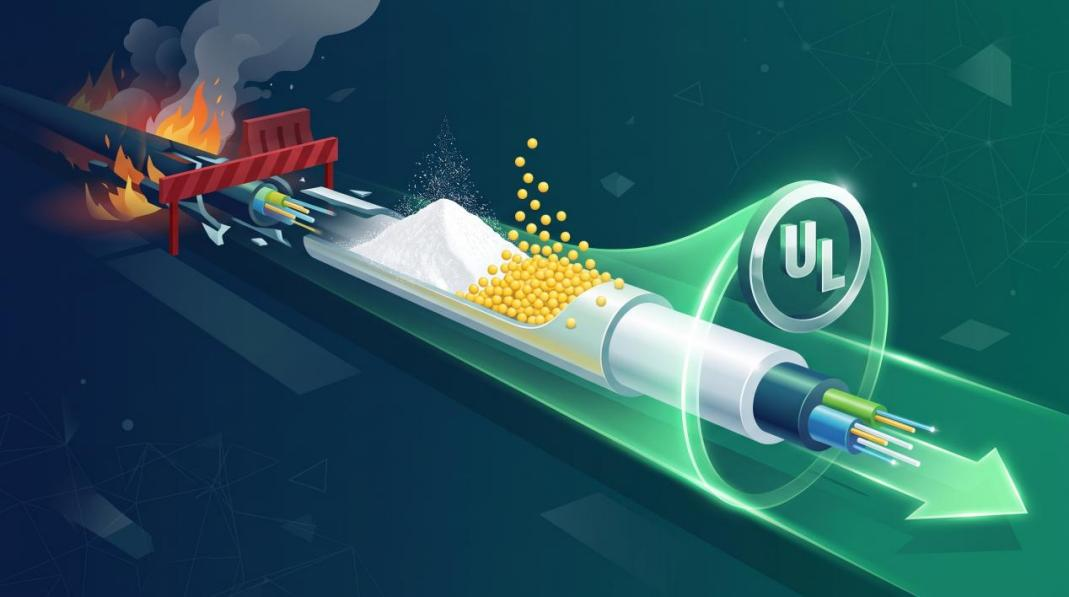
The core technology of Complord’s EP-Y series lies in its in-situ synthesis process: it markedly improves the smoke suppression efficiency of the molybdenum compounds and, at the same time, enhances the char-forming capability of the material, effectively reducing both smoke generation and flame spread distance in PVC.
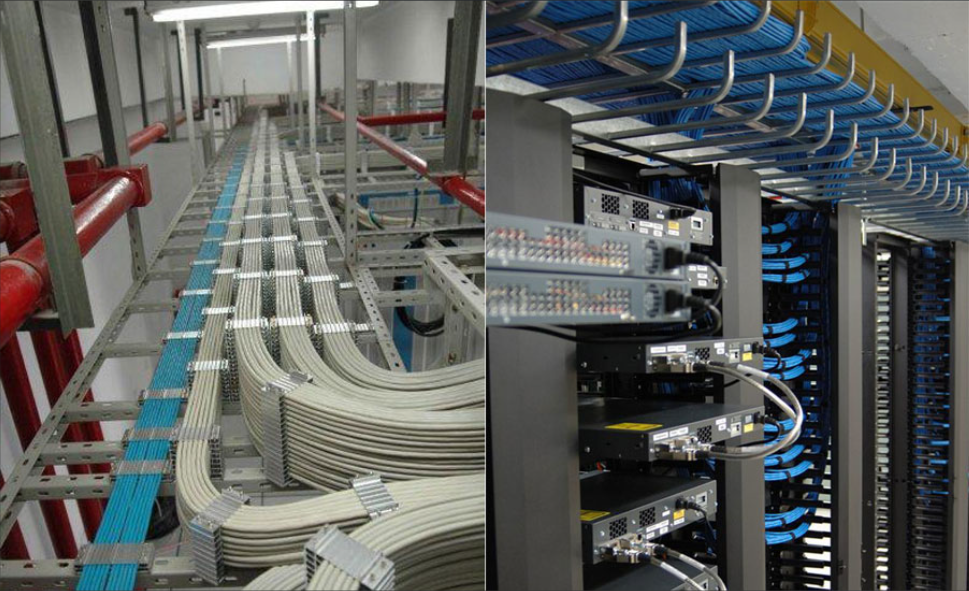
To date, the EP-Y series has been successfully applied to OFNP optical fiber cables and CMP communication cables, covering applications in data centers, office buildings, hospitals, and beyond. Backed by real-world customer test data and UL test reports, these are field-proven results, not mere laboratory-only data. If you too are struggling with the smoke density of OFNP, OFNR, or CMP cables, please contact us to request samples and a formulation evaluation.